 Comparison
Peak8 Solutions vs ECM Engineering: Which Fits Your Fleet
Quick Summary
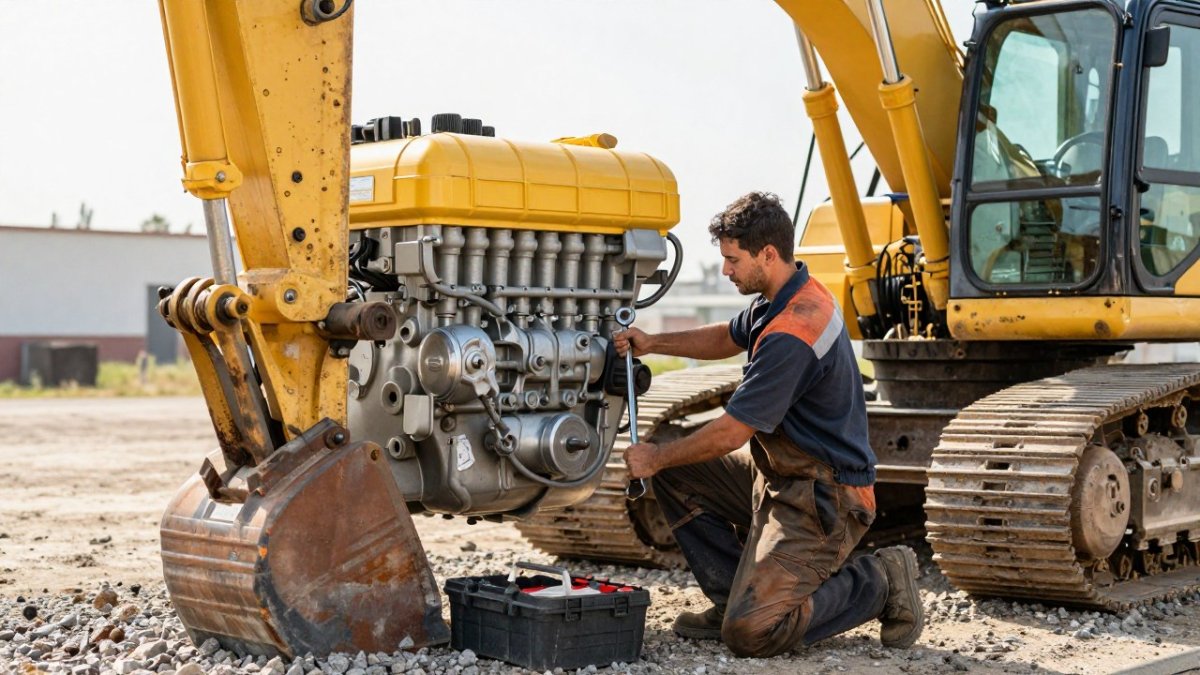
Peak8 Solutions is a confirmed on-site ECU and ECM tuning provider for agricultural and construction equipment, so it suits operators who cannot move machines to a shop. ECM Engineering's service scope could not be verified from the supplied research, so confirm its exact services before comparing the two.
- Peak8 Solutions tunes equipment on-site, avoiding transport time and removal risk.
- Its research focus is heavy machinery, including agricultural and construction duty cycles.
- Pricing and turnaround for both providers are not stated in the supplied research; request written quotes.
- ECM Engineering's services, pricing and equipment coverage could not be verified and need direct confirmation.
- Confirm whether recovery, repair or programming is included, because a tuning service may not cover them.
Table of Contents
- How Peak8 Solutions and ECM Engineering Compare at a Glance
- Service Scope: Tuning, Repair and Recovery Side by Side
- Heavy Equipment ECM Tuning: What Each Provider Offers
- ECM Tuning vs. ECM Repair: Choosing the Right Service
- ECM Calibration Compatibility With Your Machines
- Pricing, Downtime and Total Cost of Ownership
- Booking Your Next ECM Service: Questions to Ask Before You Choose
- Frequently Asked Questions
How Peak8 Solutions and ECM Engineering Compare at a Glance
Last Updated: November 21, 2026
Choosing between Peak8 Solutions and ECM Engineering comes down to what your fleet needs done: on-site tuning, module repair, or remote reflashing.
ECM Engineering is named in the same research set, but its published service profile could not be verified from the supplied results.
Rather than fill a table with guesses, use the framework below. Each row is a question you can answer with one phone call or one look at the provider's service page.
| Comparison factor | What to confirm for Peak8 Solutions | What to confirm for ECM Engineering | What a useful answer sounds like |
|---|---|---|---|
| Core service | On-site ECU and ECM tuning for agricultural and construction equipment | Whether the company offers tuning, repair, remanufacturing, programming, or a combination | A named service list, not a general 'we service ECMs' statement |
| Delivery model | On-site work at your machine | On-site, remote, or ship-in module service | A clear statement of where the work happens and who removes the module |
| Best fit | Farms and construction sites that cannot move equipment to a shop | Depends on confirmed scope; ask whether they serve fleets, dealers, or single-machine owners | A customer type the provider names without prompting |
| Supported equipment | Which machine makes, models, and engine families have been programmed | Same question, plus whether they support trucks, marine, or stationary engines | A list of matched machines or engine families, not a broad industry claim |
| Pricing basis | Contact for pricing | Contact for pricing or published rates | A quote tied to your exact ECM part number and service |
| Turnaround | Not stated in supplied research | Not stated in supplied research | A written estimate that separates diagnosis, repair, and shipping time |
| Recovery capability | Confirm whether recovery is offered alongside tuning | Confirm whether recovery is offered alongside repair or programming | A yes or no, plus whether recovery is quoted separately |
| Warranty | Ask what guarantee applies after tuning | Ask what guarantee applies after repair or programming | Warranty terms in writing, including what voids coverage |
Pros of Peak 8 Solutions:
- Tuning happens on your equipment, which avoids transport time and the risk of damage during removal.
- Focus on heavy machinery rather than general automotive work, which usually means familiarity with agricultural and construction duty cycles.
Cons of Peak 8 Solutions:
- Rates and detailed tuning specifications are not published in the supplied results, so budgeting requires a direct quote.
- On-site delivery may limit how quickly a remote or multi-state fleet can be served compared with a ship-in model.
Pros of ECM Engineering:
- Its name appears in the supplied research, which makes it a legitimate candidate to evaluate alongside Peak8.
- If its confirmed scope includes repair or remanufacturing, it may cover failures that tuning alone cannot fix.
Cons of ECM Engineering:
- Limited verifiable detail on services, pricing, and equipment coverage in the supplied research.
- Without a confirmed service list, it is difficult to tell whether the company is a direct alternative to Peak8 or a complementary provider.
A common pattern is that buyers compare a tuning specialist with a repair-and-remanufacture shop and then discover they need both.
Before you choose, check each provider's current service list against your machine models.
Service Scope: Tuning, Repair and Recovery Side by Side
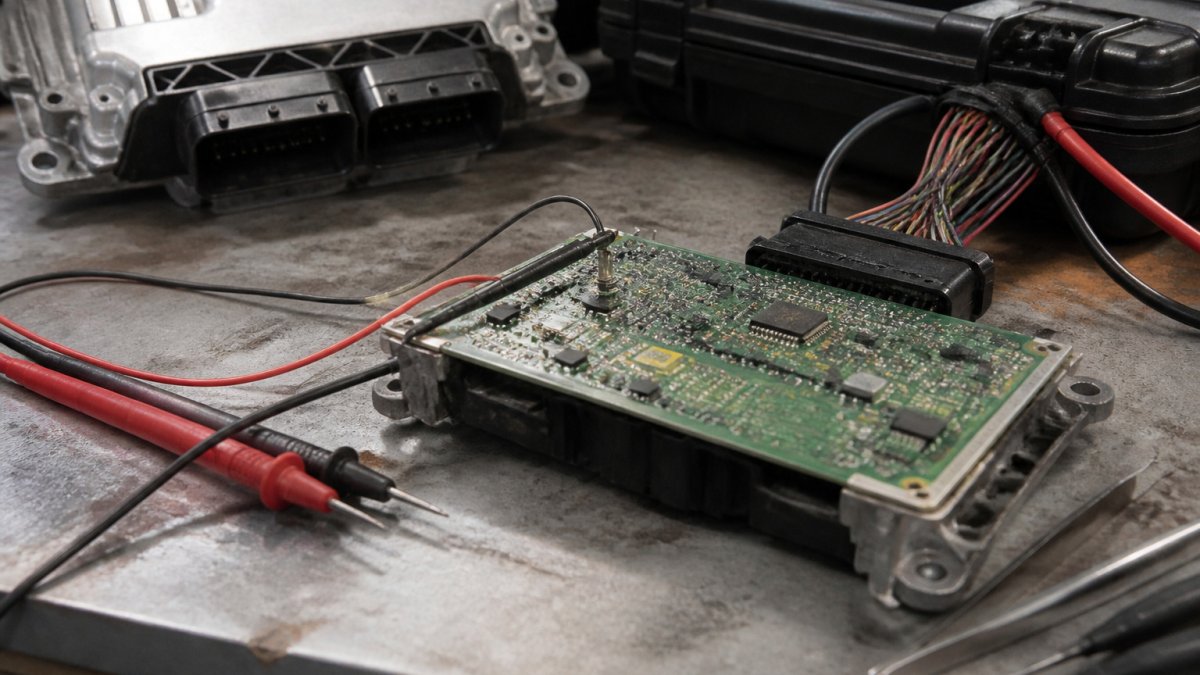
Service scope is the fastest way to narrow your options. Tuning changes how an engine control module runs your machine. Repair fixes a failed module. Recovery restores a module that will not communicate or lost its software during a flash.

ECM Engineering is named in the same research set, but its service scope could not be verified from the supplied results.
To make the comparison concrete, separate the work into four service categories and confirm each one with both providers:
- Tuning and calibration. Changing performance settings on a working module. Confirm whether the provider tunes on-site, remotely, or only on a shipped-in module, and whether the original software is backed up before any change.
- Programming and reflashing. Installing or restoring software on a module, including matching a replacement engine to an existing ECM. Confirm whether programming is offered as a standalone service or only as part of a repair.
- Repair and remanufacturing. Fixing failed hardware, such as electrical faults or components that will not hold software. Confirm whether the provider repairs at the board level, exchanges units, or remanufactures to a standard.
- Recovery. Restoring a module that was mis-flashed, bricked, or lost communication during a flash. Confirm whether recovery is included in a standard quote or priced separately, because that changes your total cost.
A useful way to read the two companies is by failure mode. If the machine runs but needs more usable power or better fuel use, the relevant scope is tuning, and Peak 8 Solutions is the provider with a confirmed position in the research. If the module is damaged, has failed electrically, or will not hold its software, the relevant scope is repair or recovery, and ECM Engineering's confirmed capabilities become the deciding factor.
Most practitioners find that the scope conversation is where quotes go wrong. A provider may quote a repair when the real need is programming after the repair, or quote tuning when the module has an underlying hardware fault that will resurface.
For fleets that operate across several states or countries, delivery model matters as much as service category. On-site tuning avoids shipping and removal risk but ties the work to a technician visit.
Heavy Equipment ECM Tuning: What Each Provider Offers
Heavy equipment ECM tuning adjusts engine calibration to change power delivery and fuel use.
Construction Calibrations provides tuning, reflashing and recovery for construction, mining, agricultural and forestry equipment. Its listed scope includes calibrations that match replacement engines and work with existing emissions hardware.
Ask each provider which machine makes and models they have programmed. A general claim of heavy-equipment support tells you less than a list of matched machines.
ECM Tuning vs. ECM Repair: Choosing the Right Service
Tuning and repair solve different problems. Tuning changes performance settings on a working module. Repair restores a module that has failed, and it may include reprogramming after the hardware is fixed.
Choose tuning when the machine runs but needs more power or better fuel economy. Choose repair or replacement when the module is damaged, has failed electrically, or will not hold its software. Some fleets need both: a repaired module still has to be programmed to match the engine.
Recovery sits between the two. If a module was mis-flashed or bricked, a provider may restore its software without full replacement. Ask whether recovery is included or quoted separately, because that changes your total cost.
ECM Calibration Compatibility With Your Machines
Calibration compatibility depends on the exact engine, module part number and software version. A calibration built for one engine may not run on another, even within the same brand.
Before you send a module, provide the make, model, serial number, engine family and module part number. Ask the provider to confirm the calibration against that exact ECM before shipping. Construction Calibrations provides confirmed quotes against the exact ECM before shipping, which is a practical check to request from any vendor.
Replacement engines are a common source of mismatch. If you swapped an engine, tell the provider up front so the module can be calibrated to the new hardware rather than the old.
Pricing, Downtime and Total Cost of Ownership
Pricing depends on quantity, dates, and delivery. For current prices or a quote, see the Construction Calibrations pricing page on its website.
Total cost goes beyond the service fee. Count the machine hours lost while the module is out, shipping if the work is remote, and the replacement cost you avoid.
Ask each provider for turnaround time in writing. Downtime is usually the largest hidden cost, and a quote that is cheaper but slower can cost more overall. Read the full breakdown of how tuning affects fuel, power and uptime to estimate your savings.
Booking Your Next ECM Service: Questions to Ask Before You Choose
Before you book, ask these questions of each provider:
- Which machine makes, models and engine families have you programmed?
- Do you back up the original software before any change?
- Can you confirm calibration against our exact ECM before shipping?
- Do you handle remote calibration and recovery, or only on-site work?
- What warranty or guarantee applies if a problem appears after the work?
- How long does a typical recovery or repair take, and is that in writing?
- Do you work with smaller independent operations as well as large fleets?
Write down the answers and compare them side by side. For fleets spread across several states or operating abroad, remote service capability often decides the choice.
If you want to see how Construction Calibrations handles your specific machines, you can request a quote with your make, model and module details. Each quote is tied to your exact ECM before shipping, so you know what you are paying for before any work starts.
Frequently Asked Questions
What services does Peak8 Solutions offer for heavy equipment ECM tuning?
Based on the information available, Peak8 Solutions provides heavy-equipment maintenance that includes on-site ECU and ECM tuning for agricultural and construction customers. Its stated focus is heavy machinery rather than general automotive work. The public material reviewed does not list detailed tuning specifications, supported machine lists or service rates, so fleets should request those in writing before booking. Confirm which control modules and engine models are covered for your specific equipment.
What services does ECM Engineering provide for heavy equipment?
Research on ECM Engineering was limited, and no verified 2026 data about its services, pricing or performance was found. Readers should not assume its service scope from the name alone, since several results for the term ECM relate to unrelated fields such as equity capital markets. Ask ECM Engineering directly which engine control module repairs, reprogramming and tuning services it offers for your equipment make and model, and request written confirmation.
Can ECM tuning improve heavy equipment power and fuel efficiency?
Construction Calibrations describes its calibrations as delivering more usable power and better fuel use, but it has not published measured results for specific machines in the research reviewed. Gains depend on the engine, the original calibration, operating conditions and whether the calibration matches existing emissions hardware. Ask any provider for documented before-and-after results on machines similar to yours, and check that the changes keep your equipment within its emissions and warranty requirements.
What is the difference between ECM tuning and ECM repair?
ECM tuning changes the calibration of a working control module to alter how the engine performs, for example to adjust power or fuel delivery. ECM repair addresses a module that has failed, lost its software or will not communicate, often through bench programming and data recovery. Some providers offer both. Decide which you need first: a healthy module that needs a different calibration calls for tuning, while a faulty or bricked module calls for repair or replacement.
How can I check whether an ECM tune is compatible with my machine?
Start with the exact engine make, model and control module part number, then confirm that the provider's quote is issued against that specific module before any shipping or work begins. Construction Calibrations states that it provides confirmed quotes against the exact ECM. Also confirm that the calibration works with your existing emissions equipment, because a tune that ignores emissions hardware can cause faults or compliance problems.
What should I ask an ECM tuning provider before hiring them?
Ask whether the original software is backed up before any change, what warranty covers a calibration that causes problems, how long recovery or reprogramming typically takes, and whether they can work remotely if your fleet is spread across locations. Request a written quote tied to your exact module and ask for examples of machines similar to yours. Clear answers on these points are a stronger signal than general claims of experience.