 blog
Heavy Tuning Alternatives Fleet Managers Should Compare
Last Updated: November 19, 2026
Quick Summary
The main heavy tuning alternatives for fleet managers are preventive maintenance, repair, reflashing and replacement, each suited to a different failure or goal. Start by asking whether the goal is more power, lower fuel use or fewer breakdowns, then compare each option against your duty cycle, uptime targets and emissions obligations.
- Diagnose the symptom first, because a calibration cannot fix worn injectors, restricted air systems or sensor faults.
- Preventive maintenance protects the floor of fuel efficiency, while tuning changes the ceiling of what the engine can do.
- Confirm any calibration works with existing emissions hardware and check warranty coverage with the dealer or manufacturer before work starts.
- Capture direct price, labor, downtime, fuel effect and risk reserve for every option so the comparison is like for like.
- Pilot on one or two machines with recorded baseline data and a clear success test before expanding across the fleet.
Table of Contents
- What Heavy Tuning Means and Why Fleets Look for Alternatives
- The Main Options: Tuning, Preventive Maintenance, Reflashing and Replacement
- Heavy Machinery Fuel Efficiency: What Each Option Realistically Delivers
- Fleet Maintenance Software and Heavy-Duty Diagnostic Tools for Early Detection
- Heavy Equipment Preventive Maintenance as the Baseline Alternative
- Total Cost of Ownership and Downtime: Comparing Options by Fleet Type
- Choosing Your Next Step: Planning a Pilot and Measuring Results
- Frequently Asked Questions
Heavy tuning alternatives fleet managers should compare start with a clear question: is the goal more power, lower fuel use, or fewer breakdowns? Compare each option against your duty cycle, uptime targets and emissions obligations rather than defaulting to the first tuning offer.
What Heavy Tuning Means and Why Fleets Look for Alternatives
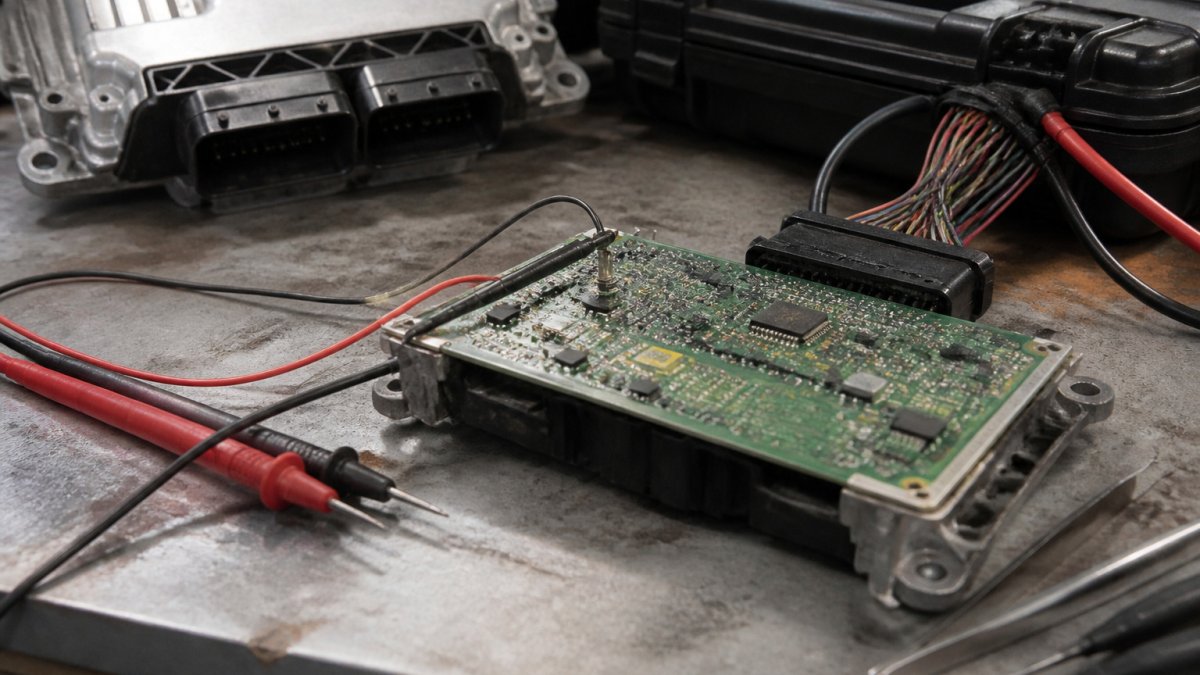
Heavy tuning is the reprogramming of an engine control module (ECM) to change how an engine delivers fuel, boost and timing. Fleets usually pursue it for more usable power or better fuel use.
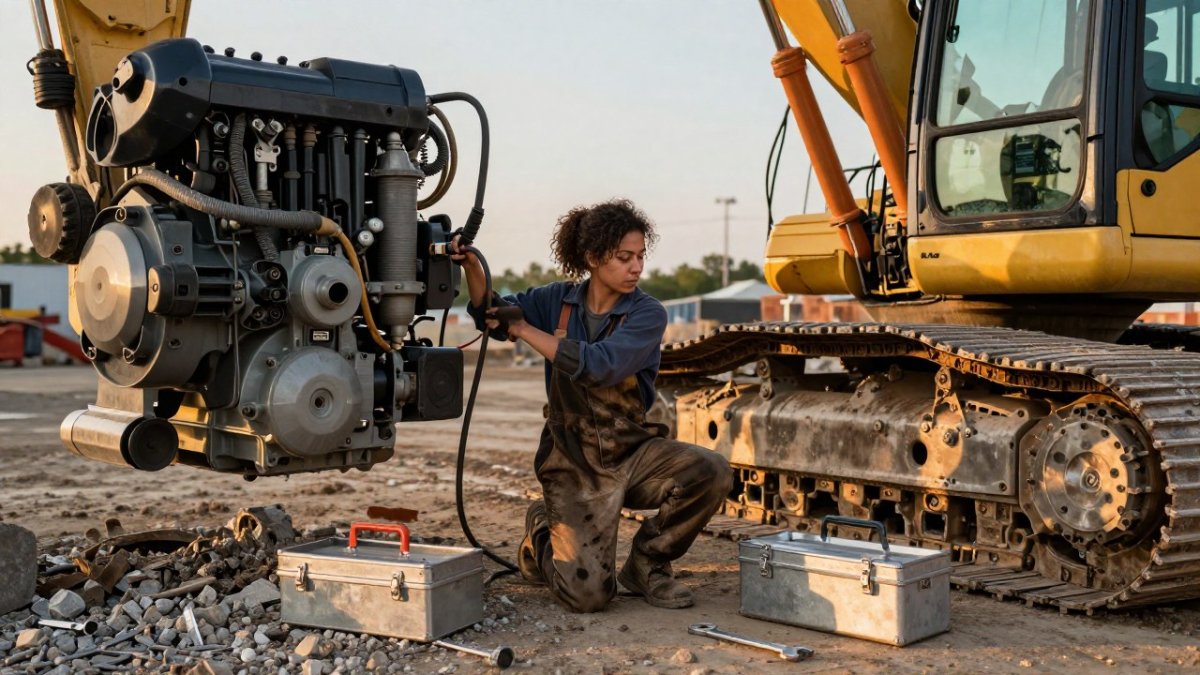
Some managers look for alternatives after a module fails during a flash, or after a replacement engine arrives with software that no longer matches the rest of the machine.
The Main Options: Tuning, Preventive Maintenance, Reflashing and Replacement
Four options usually come up in fleet discussions, and the useful question is which one fits the failure or goal in front of you. Treat each as a decision with conditions, not just a definition.
- Tuning: Changes the calibration to alter how the engine delivers fuel, boost and timing, usually for more usable power or better fuel use. Gains vary by machine and duty cycle, and tuning changes the ceiling of what the engine can do rather than repairing anything worn.
- Preventive maintenance: Keeps the original calibration and targets wear, filters, fluids and sensors. It protects uptime and fuel efficiency but rarely changes output, and it is the baseline every other option should be measured against.
- Reflashing: Rewrites a module's software, often to restore a lost or corrupted file or to match a replacement engine. It is a repair and matching step, not a performance upgrade.
When Tuning Is Appropriate, and When It Is Not
Tuning is appropriate when the machine is mechanically sound, the duty cycle can use the extra power or efficiency, and the calibration is confirmed against the exact ECM before work starts.
Watch out: a calibration chosen only for power can push a machine beyond the limits its cooling, braking and drivetrain were built for. Specify the duty cycle when you request the calibration, and confirm that it works with the existing emissions hardware so you do not create compliance or resale problems.
When Maintenance, Repair or Replacement Is the Safer or More Economical Path
Maintenance is the safer path when the symptom is gradual, rising fuel use, more frequent faults, longer crank times, because those patterns usually respond to filters, fluids, sensor checks and fluid analysis before any ECM work is justified.
A practical way to decide is to ask three questions in order. First, is there a fault or wear symptom that diagnosis can explain? Second, is the machine mechanically sound and can the duty cycle use the change? Third, does the lifecycle cost of keeping the unit running exceed the cost of replacement?
Reflashing Deserves Particular Care
Reflashing sits between repair and tuning and is the option most often misunderstood. It is the right step when a module has lost or corrupted its file, when a replacement engine needs software that matches the rest of the machine, or when a return to factory settings is required.
Match the option to the failure or goal in front of you. A machine losing power needs diagnosis first, not a new calibration, and a machine with a corrupted file needs a reflash, not a tune.
The four options fleets most often weigh, and the question each one answers best:
| Option | Best for | Key difference |
|---|---|---|
| Tuning | Mechanically sound machines whose duty cycle can use extra power | Changes the calibration ceiling; does not repair wear |
| Preventive maintenance | Gradual symptoms such as rising fuel use or more frequent faults | Keeps original calibration; protects uptime and efficiency |
| Reflashing | Corrupted or lost module files, or matching a replacement engine | A repair and matching step, not a performance upgrade |
| Replacement | Failed engines or modules where lifecycle cost exceeds swapping | Most expensive; removes the software question entirely |
Heavy Machinery Fuel Efficiency: What Each Option Realistically Delivers
Fuel efficiency is where expectations most often outrun reality. Tuning can improve fuel use on some machines, but the gain depends on engine, application and how the machine is worked. Preventive maintenance has a quieter but reliable effect: clean filters, correct fluid levels and healthy sensors keep an engine from burning more fuel than it should.
The clearest way to think about it is that tuning changes the ceiling, while maintenance protects the floor. A worn engine tuned for efficiency will still underperform.
Where Tuning Gains Come From and Their Limits
Tuning gains come from adjusting fuel delivery and timing within what the engine was designed to handle. Better use of available power often shows up as faster cycle times, which can reduce fuel per unit of work.
Tuning cannot fix a worn injector or a restricted air system, and an overly aggressive calibration can shorten component life. Ask for the expected result in terms of your actual work, not a generic horsepower figure.
Emissions Hardware, Warranty and Safety Considerations
Before any tuning decision, check three things. First, confirm the calibration works with your existing emissions hardware; one that disables or conflicts with after-treatment components creates compliance and resale problems. Second, review the warranty, since reprogramming an ECM can affect manufacturer coverage, confirm with the dealer or manufacturer before work starts. Third, consider safety: a calibration that changes power delivery must suit the machine's braking, cooling and load ratings.
Fleet Maintenance Software and Heavy-Duty Diagnostic Tools for Early Detection
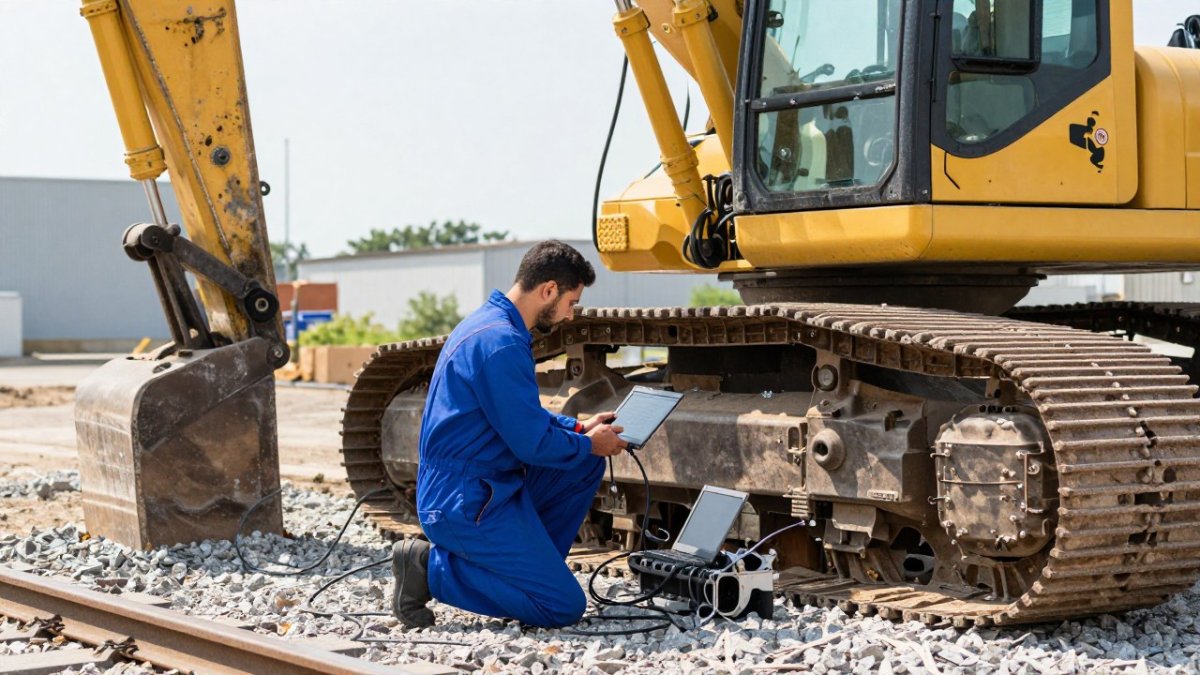
Early detection is the cheapest form of uptime protection. Fleet maintenance software tracks service intervals, fault codes and work hours, helping you spot a developing problem before it becomes a breakdown.
Used together, these tools tell you whether a symptom points to the engine, the module or something mechanical. That distinction decides whether tuning, reflashing or simple repair is the right next step.
Heavy Equipment Preventive Maintenance as the Baseline Alternative
Preventive maintenance is the baseline every other option should be measured against. A disciplined schedule covers air, fuel and oil filters, coolant, fluid analysis, belt and hose inspection, and sensor checks.

Preventive maintenance also makes tuning safer. A calibration applied to a well-maintained engine behaves predictably. The same calibration on a neglected engine can expose faults that were already there.
Total Cost of Ownership and Downtime: Comparing Options by Fleet Type
Total cost of ownership is where most tuning decisions are won or lost, yet it is the part of the comparison fleets most often skip. A calibration quote is a single line item; the real cost of any option is the sum of purchase or service price, labor, downtime, fuel effect over the duty cycle, and the residual risk of a failed flash or a compliance problem at resale.
The Five Cost Lines to Capture for Every Option
Build one row per option and capture the same five lines for each, so the comparison is apples to apples:
- Direct price: the calibration, service contract, module or engine cost, including shipping and any core charges.
- Labor and handling: technician hours to remove, ship, reinstall and verify the module, plus any dealer time for warranty confirmation.
- Downtime: the hours the machine is out of service multiplied by what those hours are worth on your work. This is usually the largest hidden line and the one most often left out of tuning business cases.
A common pattern is that the option with the lowest sticker price is not the lowest total cost once downtime and risk are included, and the highest sticker price is not always the most expensive over the life of the machine.
A Decision Framework by Fleet Type
Fleet type changes which cost line dominates, so the same option can be right for one operation and wrong for another.
High-hour construction and mining fleets. These operations run machines hard and accumulate hours quickly, so fuel effect and uptime compound.
Small contractors and service fleets. Find out whether diesel ECM tuning is worth it for contractors. With fewer machines, a single day of downtime hurts proportionally more, and the labor to remove and ship a module can rival the calibration price.
Mixed fleets. The risk is applying one policy across machines with different duty cycles.
Agricultural operations replacing an engine. When a replacement engine arrives with software that no longer matches the rest of the machine, reflashing is a matching step rather than a tuning decision.
Downtime as the Deciding Line
Downtime deserves its own calculation because it behaves differently from the other cost lines. A module that cannot communicate can idle a machine for days while it is shipped out and returned, and the cost of those days often exceeds the calibration itself.
Watch out: a business case built only on the calibration price and a generic fuel-saving claim will usually overstate the benefit and understate the downtime and risk lines. Learn how to recover safely if a module is bricked.
Ranking the Options
Once the five lines are filled in for each option, rank them against the problem you are actually solving rather than against each other in the abstract. A machine losing power needs diagnosis first, because the right answer may be a repair rather than a calibration. A machine with rising fuel use and no faults may respond to maintenance before any ECM work. Replacement only enters the comparison when the engine or module has failed or the lifecycle cost of keeping the unit running exceeds the cost of swapping it. Used this way, the framework turns a vague cost-reduction conversation into a defensible decision.
Choosing Your Next Step: Planning a Pilot and Measuring Results
Start with one or two machines rather than the whole fleet. Record baseline fuel use, hours, fault history and downtime for at least a few weeks. Then apply the chosen option and measure the same figures under similar work conditions.
Set a clear success test before you begin, such as a fuel-per-hour target or a maximum number of unplanned stops. Compare results honestly, including any new faults.
Request a quote against your exact ECM to see what a pilot would cost for your equipment.
Get a quote from Construction Calibrations to compare the options for your machines.
Frequently Asked Questions
Can fleet management software reduce heavy-equipment downtime?
Fleet management software can reduce unplanned downtime when it tracks maintenance intervals, fault codes and operating hours in one place, so service is scheduled before a component fails. Its value depends on the quality of the data entered and on whether technicians act on alerts. Software does not repair a failing engine control module, so it works best alongside preventive maintenance and a clear escalation process when a machine goes down.
What should fleet managers compare when choosing an ECM tuning provider?
Compare whether the provider backs up original software before any change, whether it confirms a quote against the exact control module before shipping, and whether it supports your machine models and emissions hardware. Ask about recovery capability for bricked modules, typical turnaround for remote work, and what happens if a calibration causes a fault. Clear answers to these points matter more than headline claims about power gains.
How can preventive maintenance improve heavy-equipment fleet efficiency?
Preventive maintenance keeps air, fuel and hydraulic systems within specification, which protects the efficiency a machine already has. Regular filter changes, fluid analysis and inspections catch wear before it reduces fuel economy or triggers a breakdown. Because it addresses the baseline condition of the engine, it should be in place before any calibration is considered, since a tuned engine running on worn components will not perform as expected.
What are the alternatives to ECM tuning for heavy equipment fleets?
The main alternatives are a structured preventive maintenance program, diagnostic-led repairs that correct the root cause of performance loss, module reflashing or recovery when software has failed, and replacement of the engine or machine when repair costs exceed its remaining value. Each suits different conditions. Tuning is most useful when the engine is sound but mismatched to its work, and maintenance or replacement comes first when wear is the real problem.