 Ultimate guide
Improve Fuel Efficiency Heavy Machinery: 2026 Guide
Last Updated: October 23, 2026
Quick Summary
To improve fuel efficiency heavy machinery, combine operator training for smooth acceleration and controlled RPM management, reduce idle time to no more than five minutes, and maintain equipment to manufacturer specifications including air filters, oil changes, and tire pressure. These practices typically reduce fuel consumption by 10-15% while improving productivity and reducing wear on engines.
- Reducing idle time by 10% of operating hours typically cuts fuel consumption by 8-12%.
- Dirty air filters increase fuel consumption by 2-3% and worn tires can increase it by 5-10%.
- Operating equipment at 70-85% of maximum capacity minimizes fuel consumption per ton of material moved.
- Proper ECM calibration restores engine efficiency when standard maintenance and operator training don't solve fuel waste issues.
- Two operators on the same machine can see 20-30% difference in fuel usage based purely on driving habits.
Table of Contents
- Why Fuel Efficiency Matters for Heavy Equipment Operations
- Operator Habits and Training: The Foundation of Fuel Savings
- Heavy Equipment Idle Time Reduction Strategies
- Heavy Equipment Maintenance Checklist for Fuel Efficiency
- Load Management and Equipment Selection
- Fuel Tracking for Construction Equipment Fleets
- Diesel Engine Tuning for Heavy Equipment Performance
- Worksite Planning and Efficient Routes
- Frequently Asked Questions
Why Fuel Efficiency Matters for Heavy Equipment Operations
Fuel costs are one of the largest operating expenses for construction, mining, and forestry fleets, making it essential to improve fuel efficiency heavy machinery. When you're running excavators, dozers, haul trucks, or wheel loaders across multiple sites, every gallon counts.
Improving fuel efficiency heavy machinery isn't just about cutting costs. According to Association of Equipment Manufacturers research on engine efficiency, construction equipment at Tier 4 Final standards is 11-15% more fuel-efficient than machines from 1996, yet many operators still run their equipment using outdated habits and maintenance practices that erase those gains.
At Construction Calibrations, we've worked with fleet managers facing the same problem: they know fuel costs are too high, but they're not sure which changes actually move the needle. The answer isn't a single fix.
Operator Habits and Training: The Foundation of Fuel Savings
Operator behavior is the single largest variable in fuel consumption. Two operators running the same machine on the same job can see a 20-30% difference in fuel usage based purely on how they handle acceleration, gear selection, and braking.

Smooth acceleration and controlled braking
Harsh acceleration and aggressive braking waste fuel and damage components faster. When an operator jabs the throttle, the engine has to work harder to build power, consuming more fuel per unit of work.
Train operators to accelerate smoothly over 10-15 seconds rather than ramping to full throttle in 2 seconds. This single habit reduces fuel consumption measurably. Engine braking, using lower gears and letting the engine's resistance slow the machine, saves fuel compared to riding the brake pedal.
Engine RPM and gear selection for optimal performance
Running an engine at higher RPM than necessary burns extra fuel without producing proportional work. The optimal operating window for most heavy equipment engines is 1,200-1,800 RPM, depending on the machine and load.
Operators should select the gear or speed range that keeps the engine in this efficient band. This principle applies to wheel loaders, haul trucks, and excavators with variable-displacement pumps.
Teach operators to listen to the engine. If it's straining and the RPM is dropping under load, shift to a lower gear. If the engine is screaming and barely moving material, you're in the wrong gear. Efficiency sounds different from inefficiency.
Heavy Equipment Idle Time Reduction Strategies
Idling is pure waste. A heavy equipment engine burning fuel while producing zero work is the definition of inefficiency. According to Operator School research on idle time management, reducing idle time by just one hour per day can save hundreds of gallons across a fleet annually.
Setting idle limits and warm-up protocols
Modern heavy equipment doesn't need long warm-up periods. Most engines reach operating temperature in 3-5 minutes, not 15-20 minutes as older practices suggested. Set a policy: maximum five-minute engine warm-up in cold conditions, and no warm-up at all in mild weather.
Similarly, shutdown procedures should be brief. Older equipment sometimes required cool-down idle time before shutdown, but current engines don't need this. Shut down within 2-3 minutes of finishing work.
Measuring and tracking idle hours
What gets measured gets managed. Telematics systems and onboard diagnostics now make it simple to track idle time per machine and per operator. Set a baseline for your fleet, then establish targets: "Reduce fleet-wide idle time from 25% of operating hours to 15%." This creates accountability.
Assign idle-time reports to operators or supervisors. When an operator sees their idle minutes recorded weekly, behavior changes. Competitive fleets sometimes post leaderboards, lowest idle time gets recognition.
Heavy Equipment Maintenance Checklist for Fuel Efficiency
A well-maintained machine runs efficiently, which is fundamental to efforts to improve fuel efficiency heavy machinery. Deferred maintenance, clogged filters, worn injectors, low fluid levels, forces the engine to work harder and consume more fuel to produce the same output.
Engine maintenance and lubrication
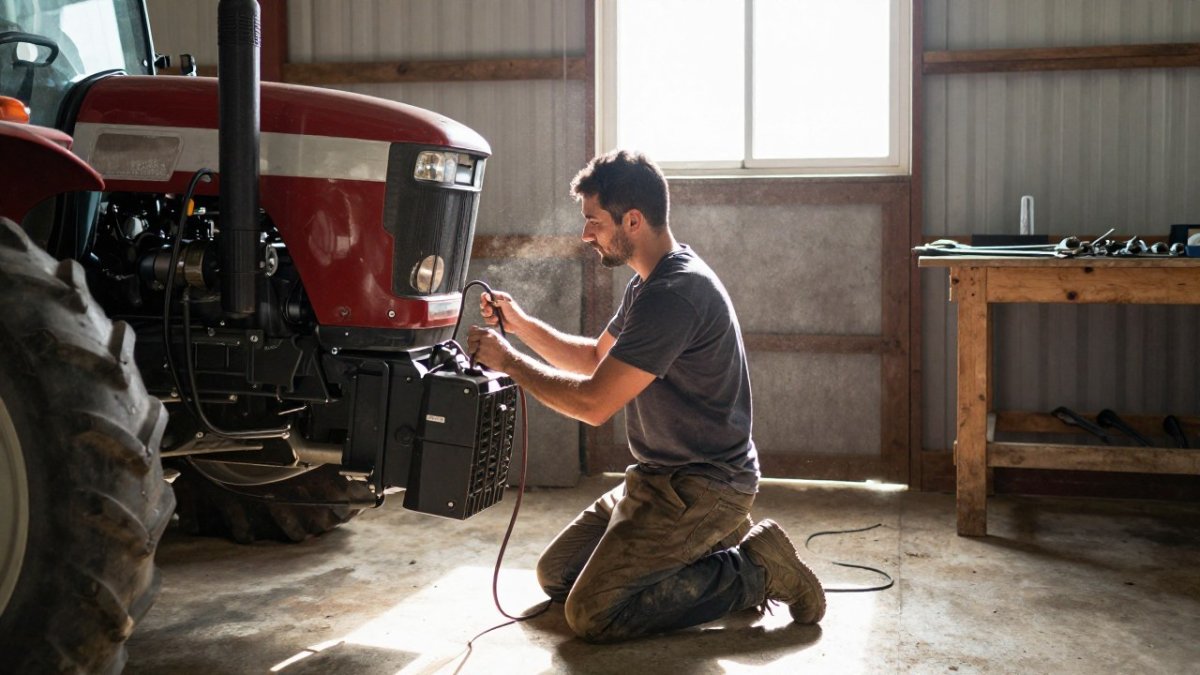
Follow the manufacturer's maintenance schedule exactly. This includes engine oil changes, fuel filter replacements, and air filter cleaning or replacement.
Use the correct grade of engine oil. Thicker oil than recommended increases drag on internal components, raising fuel consumption. Thinner oil than specified reduces protection and efficiency. Check oil level weekly and top up as needed.
Undercarriage, tires, and track condition
Worn tires and tracks increase rolling resistance, forcing the engine to burn more fuel to move the machine. Inspect tires for proper inflation and tread depth.
Undercarriage condition directly affects fuel efficiency. Bent or misaligned components create friction and vibration, forcing the engine to compensate. Regularly inspect and repair undercarriage damage before it cascades into larger problems.
Load Management and Equipment Selection
Matching the right machine to the right job prevents fuel waste and improves productivity. An undersized machine working too hard burns excess fuel. An oversized machine idling most of the time also wastes fuel.
Matching machine size to the task
A 320-ton excavator moving small piles of material is inefficient. A 60-ton excavator struggling to move heavy rock is also inefficient.
Before assigning equipment to a job, analyze the material type, pile size, and production target. Select the machine that will operate in its efficient range. This requires understanding your fleet's capabilities and matching them to job requirements.
Avoiding overloading and optimizing work cycles
Overloading reduces efficiency and damages equipment. Operators sometimes fill buckets beyond capacity or load trucks beyond their rated weight. This forces the engine to work harder, burns more fuel, and accelerates wear.
Optimize work cycles by reducing unnecessary moves. A poorly planned work sequence might require the machine to reposition multiple times for the same task.
Fuel Tracking for Construction Equipment Fleets
You cannot improve what you don't measure. Fuel tracking systems give you the data to identify inefficiencies and set realistic improvement targets.
Telematics and onboard monitoring systems
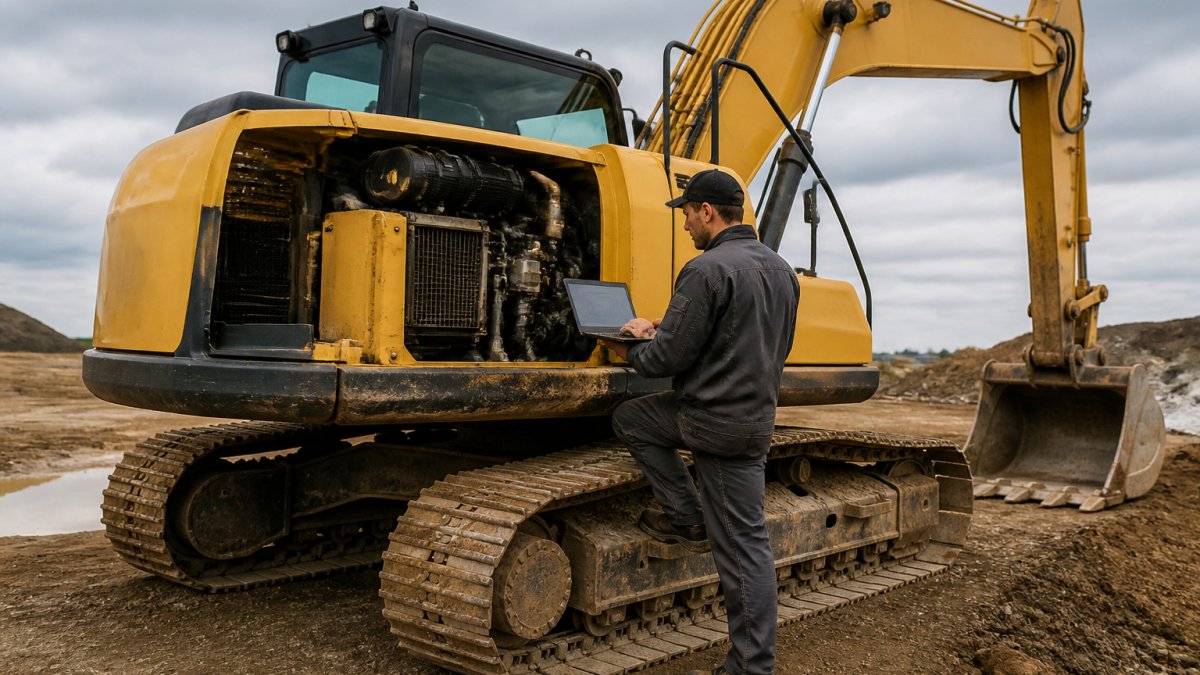
Modern telematics systems log fuel consumption, idle time, engine RPM, load data, and machine location in real time. These systems identify which machines are inefficient, which operators have poor habits, and which job sites are fuel-intensive.
Implement a telematics system if you don't have one. The investment typically pays back within 12-18 months through fuel savings alone.
Calculating fuel consumption per operating hour
Fuel consumption per operating hour (FPOH) is the standard metric for comparing efficiency across machines and sites. Calculate it by dividing total fuel consumed by total operating hours.
If a machine's FPOH is 5-10% above specification, it's likely running inefficiently due to operator habits or maintenance issues. If it's 15%+ above spec, investigate for mechanical problems or calibration issues.
Diesel Engine Tuning for Heavy Equipment Performance
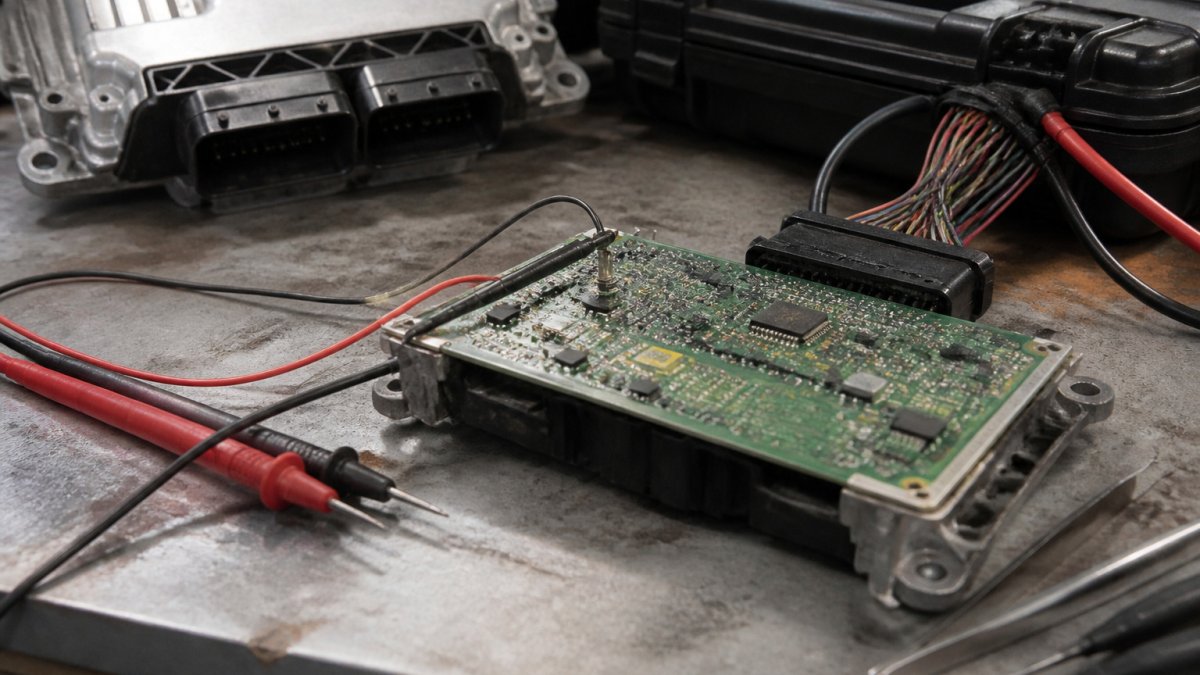
When operator training, maintenance, and load management are optimized but fuel efficiency still lags, the issue often lies in engine calibration. Modern heavy equipment engines are controlled by an Engine Control Module (ECM) that manages fuel injection timing, pressure, and duration. If the ECM calibration has drifted, due to a replacement engine, a module reset, or a failed flash, the engine won't run at its designed efficiency.
How ECM calibration improves efficiency and power
The ECM determines how much fuel is injected, when it's injected, and at what pressure. A correctly calibrated ECM balances power, efficiency, and emissions.
When an engine is replaced or an ECM is swapped, the new module must be calibrated to match the specific engine and machine. Mismatched calibration wastes fuel and reduces usable power.
Working with certified tuning providers
Not all ECM services are equal. Some providers use generic calibrations that don't match your specific machine and operating conditions. Others may modify emissions systems, creating regulatory risk and warranty issues.
Construction Calibrations backs up original software before any change and provides confirmed quotes against the exact ECM before work begins. This approach protects your equipment and ensures the calibration matches your machine's specifications.
Worksite Planning and Efficient Routes
Fuel efficiency isn't just about how machines operate, it's about where they operate and how work is organized.
Analyze your worksite layout before equipment arrives. Position material piles, stockpiles, and dump zones to minimize travel distance. Reduce the number of times a machine must reposition for the same task.
For fleets managing multiple sites, use telematics data to identify which jobs are fuel-intensive.
Fuel efficiency in heavy equipment isn't a single solution, it's a system. When you combine our calibration services with the operational practices covered here, you unlock the fuel savings and power your fleet was built to deliver. Get a quote and see how proper engine calibration can improve your fleet's fuel efficiency.
Frequently Asked Questions
What's the most effective way to improve fuel efficiency in heavy machinery?
Operator training combined with preventive maintenance delivers the largest gains. Smooth acceleration, controlled braking, and proper RPM management reduce fuel waste significantly. Pair this with regular engine maintenance, track tension checks, and tire condition monitoring. Construction equipment at Tier 4 Final is already 11-15% more fuel-efficient than 1996 models, but operator technique and maintenance unlock an additional 10% improvement. Remote ECM tuning can further optimize engine performance for your specific equipment and operating conditions.
How much fuel can I save by reducing idle time on heavy equipment?
Reducing idle time by one hour per day can save hundreds of gallons across a fleet annually. Set engine warm-up to five minutes maximum and shutdown time to two minutes. Implement telematics monitoring to track idle hours in real time and hold operators accountable. Many fleets report 5-8% fuel savings from idle reduction alone, depending on equipment type and site conditions. This is one of the quickest wins for fleet managers seeking immediate cost reduction.
What role does preventive maintenance play in fuel efficiency for heavy equipment?
Regular preventive maintenance can improve fuel efficiency by up to 10%. Focus on engine oil and filter changes, belt tension, lubrication schedules, and undercarriage inspection. Worn tracks, misaligned tires, and loose belts force engines to work harder, increasing fuel consumption. A structured heavy equipment maintenance checklist ensures nothing is missed. Track condition and proper lubrication are especially critical; even small friction increases fuel burn significantly over hundreds of operating hours.
Can diesel engine tuning actually improve fuel efficiency, or does it only add horsepower?
Professional diesel engine tuning optimizes both fuel efficiency and usable power through ECM calibration. Certified tuning providers adjust fuel injection timing, boost pressure, and transmission shift points to match your equipment's real-world operating conditions. Unlike generic tuning, precision calibration preserves emissions hardware and original software backups. For heavy machinery in construction and mining, this means better ground speed, smoother acceleration, and lower fuel consumption per operating hour, all without sacrificing reliability or compliance.
How do I track fuel consumption across a fleet of heavy equipment?
Telematics systems and onboard monitoring provide real-time fuel consumption data by machine. Track fuel per operating hour as your key metric; this accounts for different equipment types and job conditions. Compare actual consumption against manufacturer baselines to identify inefficient operators or machines needing maintenance. Fuel tracking for construction equipment fleets also reveals patterns: which tasks burn the most fuel, which operators are most efficient, and where idle time is highest. Use this data to set targets and measure ROI from efficiency improvements.
What's the ROI on fuel efficiency improvements for a small contracting business?
For independent contractors, fuel is often 20-30% of operating costs. A 10-15% fuel efficiency gain translates directly to bottom-line savings without capital investment. Operator training costs little but pays back in weeks. Preventive maintenance prevents costly downtime and extends equipment life. ECM tuning delivers confirmed improvements specific to your machines and operating conditions. Calculate your current fuel spend per hour, estimate efficiency gains, and compare against implementation costs. Most fleet managers see payback within 6-12 months, especially when combining multiple strategies.
How does machine size and load management affect fuel consumption?
Oversized equipment burns more fuel than necessary; undersized equipment works harder and consumes fuel inefficiently. Match machine size to the task, a 320 excavator uses less fuel than a 390 on lighter jobs. Avoid overloading; optimal loads keep engines in their most efficient RPM range. Onboard weighing systems help operators stay within safe limits while maximizing productivity. Work cycles also matter: frequent start-stop operations waste fuel compared to continuous, steady-state work. Plan job sequences to minimize machine repositioning and idle time between tasks.