 How-to
Heavy Equipment Engine Power Upgrades: A 2026 Guide
Table of Contents
- Understanding Heavy Equipment Engine Power Upgrades
- How Heavy Equipment Horsepower Increase Works
- ECM Reflash for Heavy Equipment: Process and Benefits
- Diesel Engine Torque Optimization Strategies
- ECM Tuning Safety and Reliability Considerations
- Measuring Gains and Validating Performance Improvements
- Equipment-Specific Upgrade Guidance by Machine Type
- Frequently Asked Questions
Last Updated: October 21, 2026
Understanding Heavy Equipment Engine Power Upgrades
Heavy equipment engine power upgrades are modifications to diesel engines that increase horsepower, torque, and fuel efficiency through calibration changes and mechanical improvements.
For fleet managers and equipment operators, the stakes are high. More power means faster work cycles. Better fuel efficiency cuts operational costs.
At Construction Calibrations, we've worked with thousands of heavy equipment operators across construction, mining, and agricultural sectors. The pattern is always the same: operators want measurable gains without risking downtime.
The core principle is straightforward. Diesel engines run on a carefully calibrated balance between fuel injection, air pressure, and combustion timing. Manufacturers set these parameters conservatively to protect warranty coverage and meet emissions standards.
But here's where most approaches fail: they treat engine power upgrades as a single-step process. In reality, it's a sequence. You can't just reflash the ECM and expect reliable results.
How Heavy Equipment Horsepower Increase Works
A heavy equipment horsepower increase happens through three interconnected systems: the engine control module that manages combustion, the fuel delivery system that supplies the right amount of fuel at the right pressure, and the air intake and exhaust systems that control oxygen flow and exhaust scavenging.
The ECM is the brain of the operation. It reads sensor data from the engine and adjusts fuel injection timing, quantity, and pressure. It controls boost pressure from the turbocharger. It manages emission controls. When you modify the ECM calibration, you're telling the engine to work harder within safe limits.
Engine Control Module Tuning
Engine control module tuning adjusts the parameters the ECM uses to control combustion. This includes fuel injection timing, quantity per cycle, and boost pressure targets. The result is more fuel burned per combustion event, which generates more power.
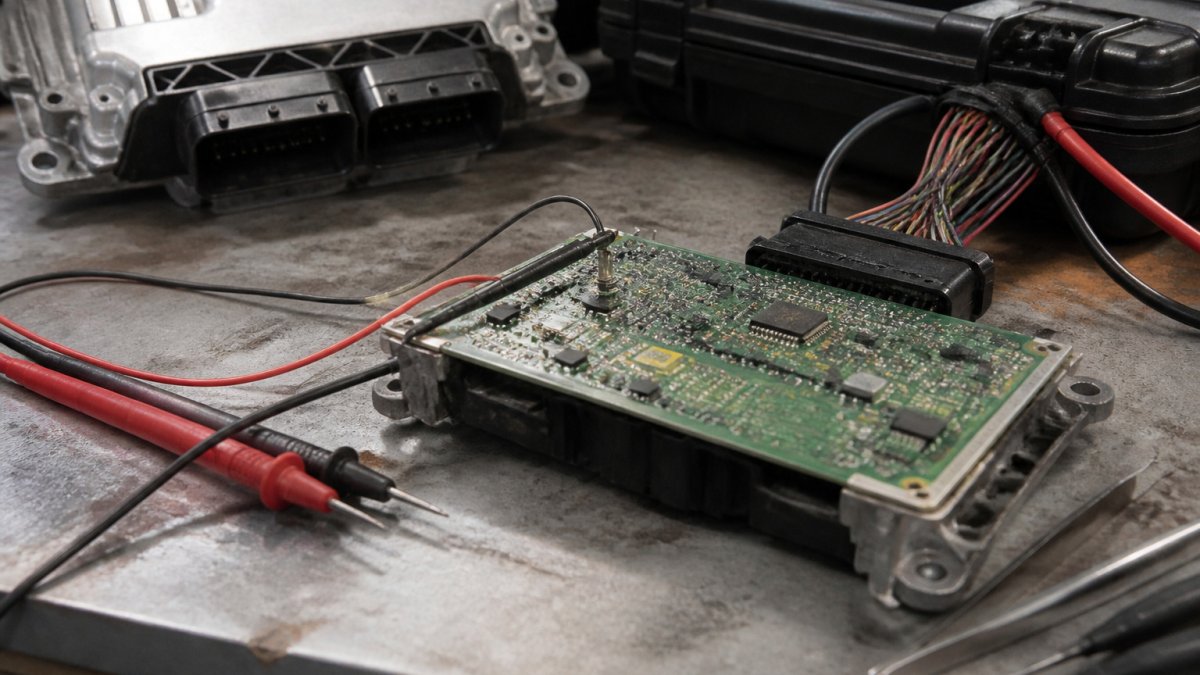
Most ECM tuning happens through bench programming. The module is removed from the equipment, connected to specialized equipment, and the calibration is modified. This approach is safer than in-vehicle tuning because you can verify the change before reinstalling the module.
The key advantage is precision. Construction Calibrations backs up the original software before any change. We provide confirmed quotes against the exact ECM before shipping. That means no surprises on turnaround time or compatibility issues.
Turbocharger and Air Intake Optimization
Turbochargers force more air into the engine, which allows more fuel to be burned. Air intake optimization removes restrictions that slow airflow into the engine. Together, they increase the oxygen available for combustion.
A stock air intake system is designed for reliability and emissions compliance, not maximum flow. Aftermarket air intakes use larger diameter piping and smoother curves to reduce pressure drop. Some operators add cold-air intake systems that pull cooler, denser air from outside the engine bay.
Turbocharger upgrades go further. Larger turbos spin faster and produce more boost pressure. But they also create heat and stress on engine components. This is why upgrade sequencing matters. You can't just bolt on a bigger turbo without ensuring the fuel system, cooling system, and engine internals can handle the additional load.
Fuel System and Exhaust Improvements
The fuel system delivers the precise amount of fuel at the right pressure for injection. Stock fuel systems are sized for factory power levels. When you increase power, you need more fuel flow and higher pressure capability.
High-pressure fuel pumps push fuel to the injectors. Fuel injectors spray a fine mist into the combustion chamber. Both must work together. If the pump can't supply enough fuel, the ECM can't deliver the power increase you programmed.
Exhaust system upgrades reduce backpressure, which allows exhaust gases to exit faster. This improves engine breathing and creates space for fresh air and fuel. Larger diameter exhaust pipes, smoother bends, and high-flow mufflers all contribute to lower backpressure.
ECM Reflash for Heavy Equipment: Process and Benefits
ECM reflash for heavy equipment is the process of replacing the factory calibration with a modified one that increases power output.
The benefits include immediate power gains without physical modifications, the ability to revert to factory settings if needed, and precise control over how much power increase you apply.
Construction Calibrations specializes in ECM recovery and reflashing. When a module fails during a flash or loses software, we can restore it. When you install a replacement engine, we can calibrate the new ECM to match your equipment's specifications.
The process starts with a confirmed quote. We examine the exact ECM model and verify compatibility with your equipment. We back up the original software before any modification. After reflashing, we test the module to confirm the calibration took correctly.
Diesel Engine Torque Optimization Strategies
Diesel engine torque optimization focuses on maximizing the twisting force the engine produces. Torque matters more than horsepower for heavy equipment because it determines how fast you can load the machine and how efficiently it works under sustained load.
Torque comes from fuel pressure and combustion efficiency. Higher fuel pressure allows more fuel to be injected per cycle. Better combustion efficiency means more of that fuel converts to useful work instead of heat loss.
Fuel Injector and High-Pressure Pump Upgrades
Fuel injectors that spray a finer mist improve combustion efficiency. Larger nozzle holes or multiple spray patterns can increase fuel flow. High-pressure fuel pumps that deliver fuel at higher pressure enable these injectors to work more effectively.
The relationship is critical. If you upgrade the ECM to call for more fuel but the pump and injectors can't deliver it, you get incomplete combustion, black smoke, and poor efficiency. This is a common mistake: operators reflash the ECM without upgrading the fuel system and wonder why they see no real power gain.
Replacing worn fuel injectors is often overlooked. Over time, injectors accumulate carbon deposits and spray patterns degrade. Fuel efficiency drops. Power output falls. New injectors restore the original spray pattern and improve combustion. Combined with ECM tuning, they unlock torque gains that worn injectors mask.
Boost Pressure and Combustion Tuning
Boost pressure is the air pressure the turbocharger creates. Higher boost means more oxygen in the cylinder, which allows more fuel to burn and creates more torque. ECM tuning increases the boost pressure target, and the turbocharger responds by spinning faster.
Combustion tuning adjusts the timing of fuel injection relative to piston position. Optimal timing changes with boost pressure and load. Factory calibrations use conservative timing to protect engine components and meet emissions standards. Modified calibrations can advance timing slightly for more power under specific load conditions.
The challenge is managing heat. Higher boost and advanced timing both increase combustion temperatures. Cooling systems must handle the extra heat. Lubricating oil must flow faster to protect components. This is why equipment condition matters. An engine with worn bearings or a marginal cooling system may not tolerate aggressive tuning.
ECM Tuning Safety and Reliability Considerations
ECM tuning safety depends on understanding the limits of your specific equipment. Every engine has a maximum safe boost pressure, a maximum fuel injection pressure, and maximum combustion temperature. Exceed those limits and you risk catastrophic failure.
Reliability is built on sequence. You can't upgrade one system in isolation and expect good results. Air intake improvements mean nothing if the fuel system can't deliver the fuel. Fuel system upgrades fail if the exhaust can't clear the combustion gases efficiently. Each system must support the others.
OEM Limits and Emissions Compliance
Original equipment manufacturers set power and torque limits based on component strength and emissions standards. These limits exist for reasons. The crankshaft, connecting rods, pistons, and bearings have maximum stress ratings. Exceed them and failures happen.
Emissions compliance is equally important. Many jurisdictions require heavy equipment to meet specific emission standards. ECM tuning that increases power often increases emissions of nitrogen oxides and particulate matter. If your equipment must pass emissions testing, aggressive tuning can make it non-compliant.
Construction Calibrations calibrates equipment to work with existing emissions hardware. We don't remove emissions controls. We optimize combustion to reduce emissions while increasing power. This approach keeps your equipment compliant and reliable.
Upgrade Sequencing and Component Compatibility
Safe upgrade sequencing starts with diagnosis. Before any modification, inspect the engine for wear, check cooling system performance, verify fuel system pressure, and test air intake flow. Worn components limit how much power increase is safe.
The typical sequence is:
- Air intake and exhaust upgrades first (mechanical, lowest risk)
- Fuel system inspection and injector replacement if needed
- ECM reflash with conservative tuning
- Monitor performance and component temperatures
- Additional tuning if the engine handles the first stage well
This approach lets you validate each step before moving forward. If something goes wrong, you know which modification caused it. If everything works well, you can progress to more aggressive tuning.
Component compatibility is critical. A larger turbocharger needs a stronger intercooler to cool the compressed air. A high-pressure fuel pump needs larger fuel lines to supply it. Skipping these compatibility checks creates bottlenecks where one upgraded component limits the others.
Measuring Gains and Validating Performance Improvements
Measuring power gains requires equipment. A dynamometer measures horsepower and torque by loading the engine and measuring how much power it produces. Before-and-after dyno testing shows real gains from your upgrades.
Fuel efficiency improvements are measured in hours per gallon or gallons per hour under standardized load conditions. A 10% improvement in fuel efficiency saves significant money on a fleet running thousands of hours per year.
Engine temperature and pressure monitoring tells you if the engine is operating within safe limits. Infrared thermometers check exhaust temperature. Pressure gauges measure boost pressure and fuel pressure. If temperatures or pressures exceed manufacturer limits, the tuning is too aggressive.
Operators often report subjective improvements: faster cycle times, better hill climbing ability, smoother power delivery. These observations matter, but they're not measurements. Real validation comes from dyno testing and fuel consumption tracking over time.
Equipment-Specific Upgrade Guidance by Machine Type
Different equipment types benefit from different upgrade strategies. A crawler excavator working in hard digging conditions needs maximum torque at low RPM.
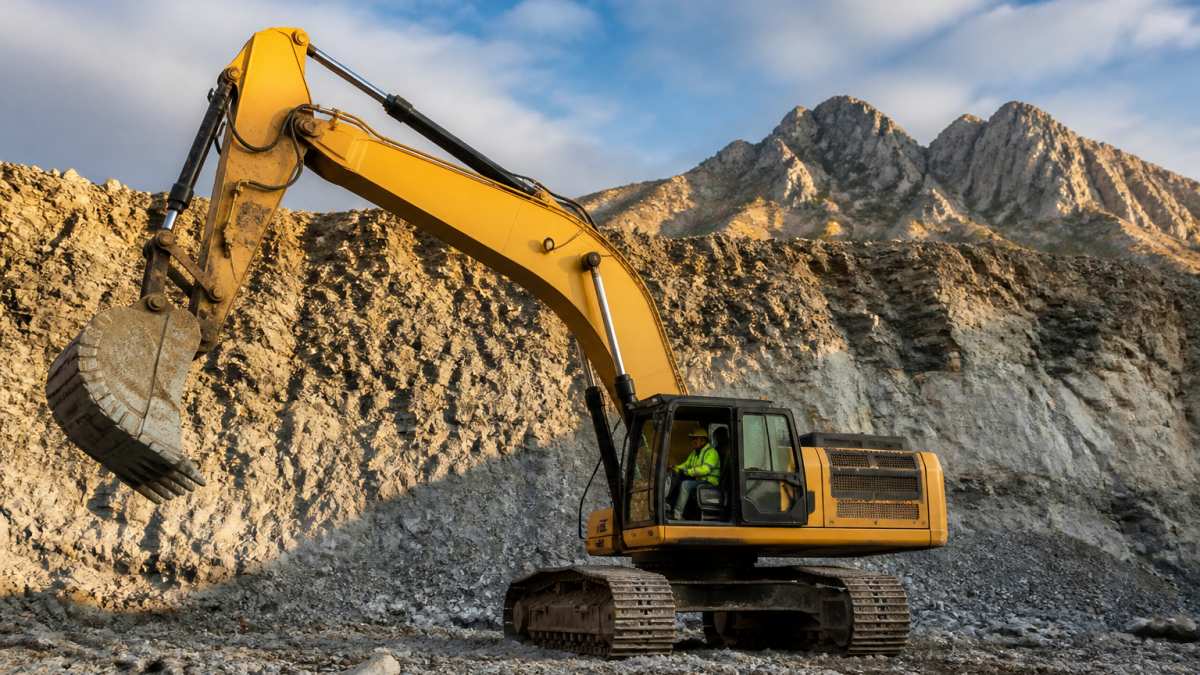
Excavators benefit most from fuel injector upgrades and conservative ECM tuning that maximizes torque at low engine speed.
Wheel loaders run at varied speeds depending on the task. They need broad power delivery across the RPM range.
Haul trucks operate at steady throttle on grades. They need reliable power and good fuel efficiency.
Agricultural equipment like tractors and combines need power for both drawbar work and PTO-driven implements.
The key is matching the upgrade strategy to the equipment's actual duty cycle.
Heavy equipment engine power upgrades deliver real gains when done right.
Construction Calibrations has been in diesel tuning since 2012. We've programmed thousands of machines across construction, mining, agricultural, and forestry sectors.
Get a quote from Construction Calibrations today. Tell us your equipment type, current power level, and your goals.
Frequently Asked Questions
How much horsepower can an ECM tune add to heavy equipment?
Power gains depend on the machine type, engine condition, and existing components. A professional ECM reflash optimizes fuel delivery and combustion timing to unlock additional horsepower within safe operating limits. Most heavy equipment sees measurable improvements in both power output and torque, but actual gains vary. Construction Calibrations provides confirmed quotes based on your exact ECM before any work begins, so you know the expected performance increase upfront.
Is heavy equipment engine tuning safe for the engine and drivetrain?
ECM tuning safety depends on proper sequencing, component compatibility, and respecting OEM limits. Upgrading fuel injectors, turbochargers, and exhaust systems alongside ECM reflashing ensures all components work together reliably under sustained load. Skipping steps or exceeding engine design limits risks failure. Professional tuning preserves your original software as a backup and validates calibrations against your exact hardware before installation, minimizing downtime and protecting your investment.
Can ECM tuning improve both power and fuel efficiency?
Yes. ECM tuning optimizes combustion and fuel delivery to generate more usable power while reducing fuel consumption. Heavy equipment operators often see both horsepower gains and better fuel efficiency because improved combustion means less wasted fuel and less strain on the engine during demanding work cycles. This dual benefit is especially valuable for fleet operators managing fuel costs across multiple machines in construction, mining, and agricultural operations.
What should you check before increasing a diesel engine's power?
Inspect the engine, fuel system, air intake, exhaust, and drivetrain for worn or damaged components. Check cooling and lubrication systems to ensure they handle sustained higher power output. Verify the ECM is functioning correctly and not mis-programmed. Review OEM specifications and emissions compliance requirements for your machine type and duty cycle. Finally, confirm that replacement parts or upgrades are compatible with your equipment. Professional ECM recovery services can diagnose module issues and validate your machine's readiness before tuning begins.