 How-to
Fuel Efficient Heavy Equipment Rental Options Compared
Last Updated: November 12, 2026
Quick Summary
Compare fuel efficient heavy equipment rentals by fuel burn per completed task, not per hour, because a larger machine that finishes faster can cost less overall. Match machine size and power source (diesel, hybrid or electric) to your job's duty cycle and conditions.
- Convert every estimate to gallons per hour and record the duty cycle it was measured at.
- Estimate your job's split between idle, light load and heavy load before comparing models.
- Calculate gallons per completed task by dividing total fuel by tasks finished.
- Check the engine tier and hour meter reading, since older engines may burn more fuel.
- Shut machines down during breaks and truck loading, and use eco modes for light work.
Table of Contents
- Why Fuel Efficiency Now Shapes Rental Decisions
- Heavy Equipment Types Available for Rent and Their Fuel Profiles
- Electric, Diesel, Hybrid and Alternative Power Options
- How to Compare Fuel Use Across Rental Models
- Matching Machine Size and Power Source to Job Conditions
- Heavy Equipment Rental Costs: Total Cost for the Rental Period
- Operating Practices That Reduce Fuel Consumption in Heavy Machinery
- Booking Eco-Friendly Rental Equipment With Verified Fuel Claims
- Frequently Asked Questions
Why Fuel Efficiency Now Shapes Rental Decisions
Fuel efficient heavy equipment is becoming a central factor in how contractors choose rental machines. According to the American Rental Association's 2026 projection of combined U.S. rental revenue, the sector is expected to reach $83.5 billion in 2026. That growth reflects how much of the construction and industrial market now runs on rented machinery.
Fleet operators feel the cost of fuel every day, and the question that comes up most often is how much fuel a machine will actually burn on the jobsite. This guide compares the rental options that matter most, explains how to measure fuel use across models, and shows where the real savings come from.
Rental penetration is a useful signal. The American Rental Association's 2024 penetration data put the rate at 57%, an all-time high. Contractors are renting more, and they are renting newer machines with better fuel economy. That makes an informed comparison worth the time.
Heavy Equipment Types Available for Rent and Their Fuel Profiles
Rental fleets cover many machines, and their fuel profiles differ sharply. Excavators, loaders, skid steers, track loaders, telehandlers, cranes, and boom lifts each burn fuel at different rates depending on engine size, duty cycle, and idle time.
Larger machines with high horsepower burn more fuel per hour, but they may finish a job faster. A smaller machine running all day can cost more in total than a larger one that completes the work in half the time. Compare fuel per completed task, not fuel per hour alone.
Idle time matters for every type. A machine left running during breaks or waiting for trucks burns fuel with no productive output. Ask the rental supplier whether the unit has telematics that report fuel levels and idle hours.
Electric, Diesel, Hybrid and Alternative Power Options
Power source is the biggest single lever on fuel cost. Diesel remains the workhorse for most heavy equipment, with a large rental inventory and wide service support. Hybrid and electric machines are entering rental fleets, and suppliers are refreshing inventories with these units to meet emissions standards and customer demand for sustainability.
Electric machines eliminate diesel burn but depend on charging access and battery capacity. They suit indoor work, short shifts, and sites with reliable power. Hybrid units combine a smaller engine with battery assist, which can lower consumption on variable-load tasks.
Alternative fuels such as biodiesel are available in some markets. Confirm with the supplier what fuel the rental unit is rated for before you assume compatibility.
How to Compare Fuel Use Across Rental Models
Most rental listings quote a single fuel-consumption number, but that number is meaningless without the duty cycle behind it. A 20-ton excavator that burns 4 gallons per hour in heavy digging may burn 1.5 gallons per hour in light grading.
Step 1: Convert every estimate to gallons per hour at a stated duty cycle. Ask the supplier or check the spec sheet for fuel consumption at a defined load, for example, "3.2 gal/hr at 75% load" or "2.8 gal/hr in eco mode." If the supplier only gives a range, ask what conditions produce the low and high ends. Record the duty cycle next to the number. A model rated at 3 gal/hr at 50% load is not more efficient than one rated at 4 gal/hr at 80% load until you adjust for the work performed.
Step 2: Estimate your job's duty cycle. Break the job into tasks and estimate the percentage of engine-on time spent at idle, light load, and heavy load. A utility trenching job might run 20% idle, 50% light load, and 30% heavy load.
Step 3: Calculate fuel per completed task, not fuel per hour. Multiply the model's gallons per hour at each duty-cycle band by the hours you expect to spend in that band, then add the idle fuel. Divide by the number of tasks (cubic yards moved, holes drilled, loads carried) to get gallons per task.
Step 4: Adjust for engine size and age. Two machines with the same rated horsepower can differ in fuel use because of engine calibration, aftertreatment, and machine age. Ask for the engine tier, since newer emissions-tier engines differ in fuel use and aftertreatment requirements. Ask for the engine tier and the machine's hour meter reading.
Watch out: manufacturer efficiency figures assume ideal conditions, flat ground, optimal operator technique, and steady load. Real jobsites rarely match them, so treat published numbers as a starting point and ask for telematics data from a comparable rental.
Build a simple comparison sheet with one row per candidate model and columns for rated horsepower, engine tier, gallons per hour at each duty-cycle band, expected hours per band, idle hours, and gallons per task. The model with the lowest gallons per task is usually the better fuel choice, even if its hourly rate is higher.
The four steps below turn published fuel figures into a comparison you can use across rental models.
| Step | What to do | Time or frequency |
|---|---|---|
| 1. Convert estimates | Record gal/hr with the stated duty cycle | Before comparing models |
| 2. Estimate duty cycle | Split job into idle, light and heavy load | Per job |
| 3. Fuel per task | Divide total fuel by tasks completed | Per candidate model |
| 4. Adjust for age | Check engine tier and hour meter | Before booking |
Matching Machine Size and Power Source to Job Conditions
Job conditions should drive the choice. A machine that is efficient on a flat, steady grading job can waste fuel on a steep, stop-start site. Consider the terrain, the load cycle, the working hours, and whether the work is indoor or outdoor.
Oversized machines are a common source of wasted fuel. Renting a larger excavator than the dig requires adds horsepower you do not need. Match capacity to the actual load and reach.
Indoor and enclosed sites often favour electric units because exhaust and noise are restricted. Outdoor sites with long runs and high loads may favour diesel or hybrid. Test your assumptions against your schedule before you commit.
Heavy Equipment Rental Costs: Total Cost for the Rental Period
The rental rate is only one line on the bill. Total cost over the rental period includes the daily, weekly, or monthly rate, fuel consumed, idle burn, delivery and pickup charges, and any downtime costs if the machine fails.
Rental duration changes the math. A short rental may favour a higher-rated, faster machine. A long rental gives you more time to recover the cost of an efficient unit through lower fuel burn.
Downtime is a real cost. If a machine stops and delays the crew, the lost labour and schedule impact can exceed the fuel savings from a more efficient model. Ask the supplier about reliability and support response times.
Get written quotes that list every charge. Costs for delivery, fuel refill policies, and damage waivers vary between suppliers, so compare the full quote rather than the headline rate.
Operating Practices That Reduce Fuel Consumption in Heavy Machinery
Renters have less control over machine spec than owners, but operator behavior and daily routines can still move fuel use by a meaningful margin over a rental period. The practices below are written for a short-term rental, where you may have the machine for a week or a month and need results fast.
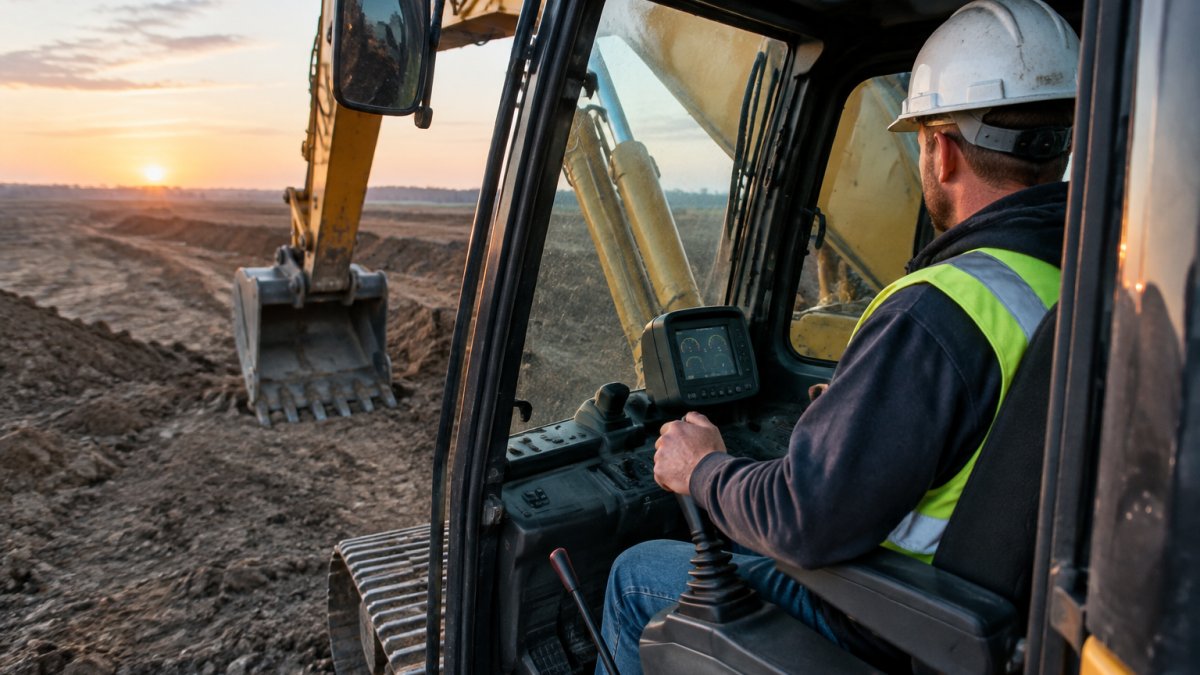
Manage idle time deliberately. Idle fuel is the easiest waste to eliminate. Modern diesel engines need only a short warm-up. During truck loading, breaks, and crew huddles, shut the machine down rather than letting it idle. Idle time on rental jobsites can be substantial, and reducing it often saves meaningful fuel.
Match engine speed and mode to the task. Many rental machines offer eco or economy modes that limit engine RPM and hydraulic flow. Use them for light grading, lifting, and travel. Reserve full-throttle operation for heavy digging and climbing.
Plan the work sequence to minimize repositioning. Moving a large machine across a site burns fuel with no productive output. Lay out the job so the machine works in one area before moving, and use the smallest machine that can do the work for travel-heavy tasks.
Do daily checks that affect fuel use. Check tire or track pressure and condition, underinflated tires increase rolling resistance and fuel burn. Check the air filter; a clogged filter forces the engine to work harder. Confirm the machine is not carrying unnecessary attachments or counterweights.
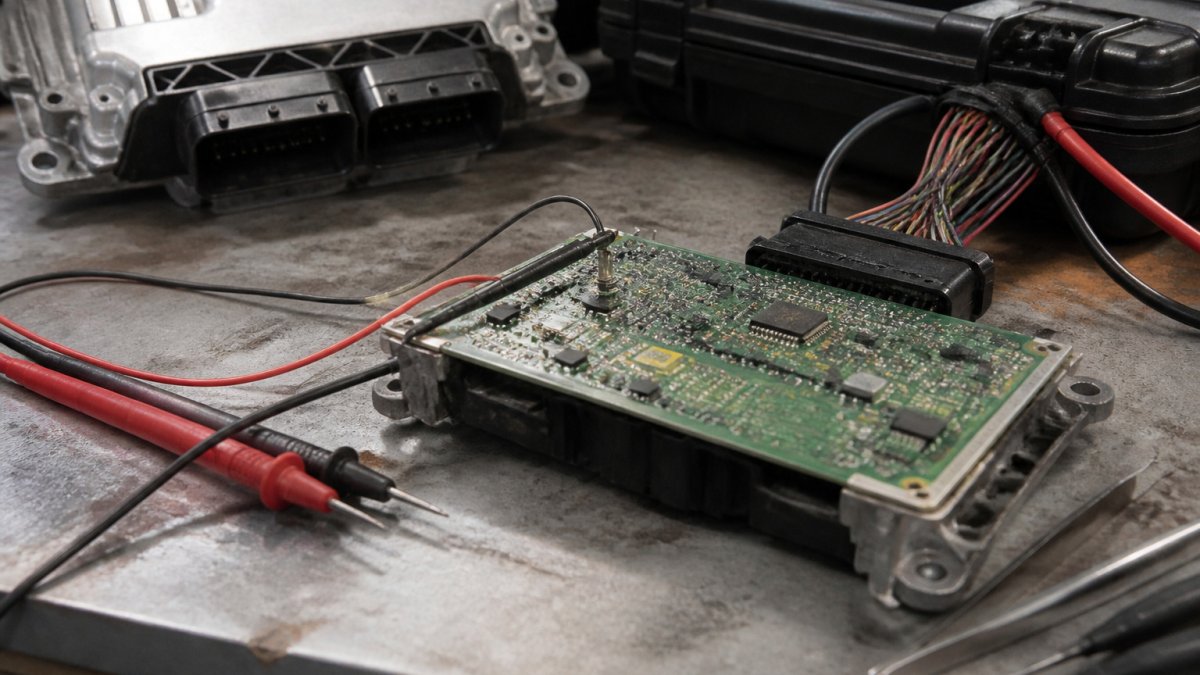
Watch out: an engine that runs too lean or too rich after an unverified reflash can increase fuel use and emissions. Confirm any tuning changes against the original software and the emissions hardware on the unit.
Brief the operator on fuel targets. If multiple operators will run the machine, share the idle-time and mode targets at the start of each shift. A short daily review of fuel use against the estimate keeps the practices in place.
Booking Eco-Friendly Rental Equipment With Verified Fuel Claims
Before booking, ask the supplier for evidence behind any fuel-efficiency or eco-friendly claim. Request telematics reports, recent maintenance records, and the specific engine rating. Be wary of general sustainability language that is not backed by data.
Compare the verified figures using the worksheet above. Once you have a shortlist, the Fleet Programs page on this site describes the options available for rental equipment. Confirm current terms directly with the supplier, since availability and pricing change.
Construction Calibrations also provides engine control module tuning, reflashing, and recovery services for heavy equipment fleets.
Get a quote from Construction Calibrations to see how engine calibration can improve power and fuel use on your fleet. We offer confirmed quotes against the exact ECM before any work begins, and we back up original software before every change.
Frequently Asked Questions
Which types of heavy equipment use the least fuel?
Fuel use depends more on engine size, load and hours of operation than on machine category alone. Compact machines such as mini excavators and skid steers generally burn less fuel per hour than large crawler excavators or haul trucks because their engines are smaller. Newer rental fleets built to current emissions standards also tend to burn less fuel per unit of work than older units. Before booking, ask the rental company for the rated engine output and any published fuel consumption figures for the specific model, and compare those against the actual power your job requires.
Does newer rental equipment use less fuel?
In most cases, yes. Machines built to newer emissions standards typically use engine management, injection and idle controls that improve fuel economy. Rental suppliers are also refreshing inventories with modern diesel, hybrid and electric machines to meet emissions rules and client demand. Newer units often include telematics that report fuel levels and idle time, which helps you track consumption during the rental. Confirm the model year and telematics availability when you request a quote, because the fleet mix can vary by location.
How can I compare the fuel efficiency of rental equipment?
Start by requesting the same information for each option: engine rating, model year, emissions tier and any manufacturer fuel-use data. Then estimate hours of use for your job and multiply by the hourly fuel rate for each machine to get a rough fuel cost per rental period. Add the daily or weekly rate, delivery and fuel charges to see total cost. Ask whether the machine has telematics so you can verify actual consumption during the rental, and check whether the rental company will supply fuel logs.
What should I ask an equipment rental company about fuel efficiency?
Ask for the model year, engine rating and emissions tier of the specific unit you will receive, not just the model family. Ask whether the machine has telematics that report fuel levels and idle time, and whether you can access those reports during the rental. Ask who pays for fuel and whether fuel is charged at a fixed rate or at pump price. Finally, ask whether the company can supply an alternative power option, such as a hybrid or electric machine, for jobs where it suits the site conditions.